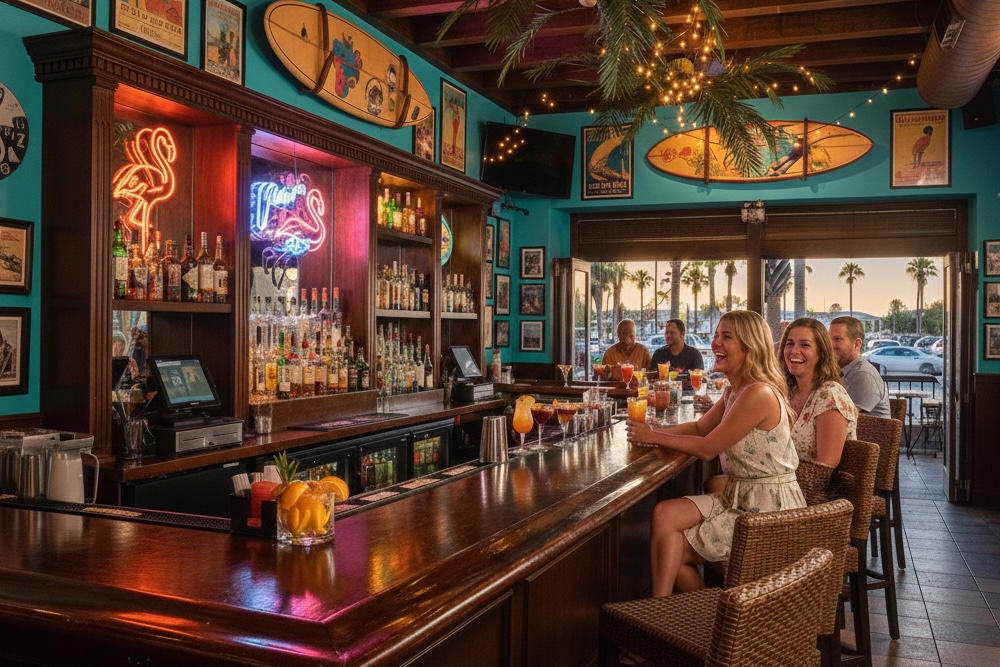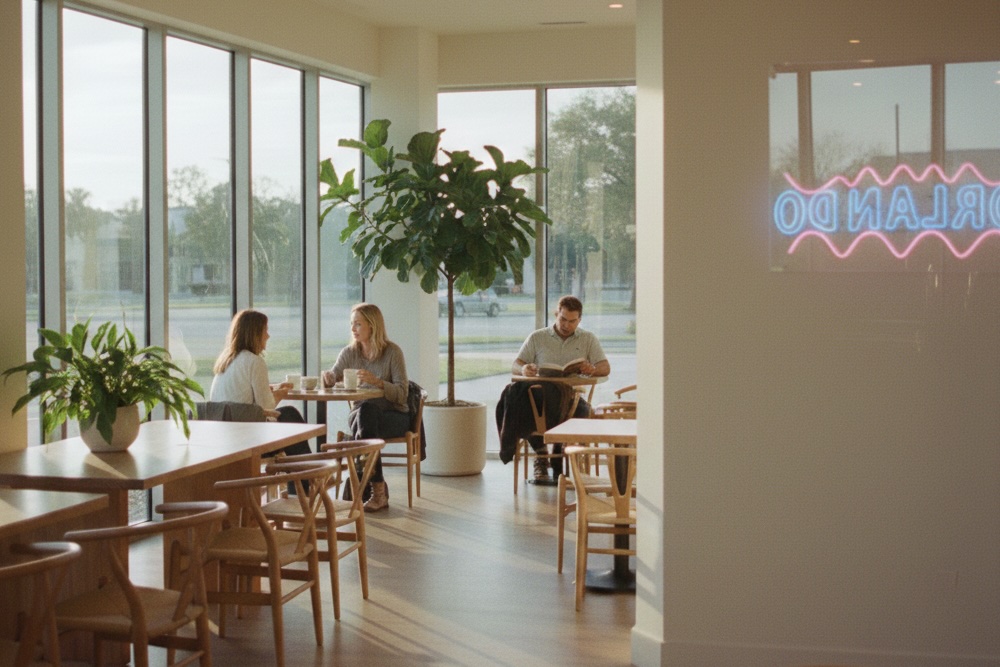
When people talk about “restaurant marketing,” they usually think about ads, reviews, and social posts. We do all of that at Rathly. But we also make music because the fastest marketing win is often inside the building. The room tells guests what to expect in the first minute, long before the entrée shows up.
That is where background music for restaurants and background music for cafe spaces matters. Not as decoration. As part of the experience that shapes mood, pacing, and even how the wait feels. We built two albums for this exact job. Dinner Drift is our restaurant set. Cafe Glow is our cafe set. Both are instrumental and loop friendly, written to sit under conversation and work with the psychology of hospitality.
In this guide, we walk you through what music should do in a dining room, what research says, and exactly how we recommend using the 12 tracks in each album to match your shift, your concept, and your service goals.
Why music belongs in your marketing plan
A dining room is not just food and service. It is the whole “dinescape.” Music is one of the few inputs you can adjust instantly, and it changes how guests rate the room without asking them to think about it. When the vibe feels calm and intentional, guests tend to relax faster. They talk more easily. They settle into ordering. When the vibe feels random or harsh, everything feels a little harder, even if the food is great.
Most restaurants want a pleasant mood with controlled energy. That means a warm welcome at the door, a light groove that avoids awkward silence, and a consistent tone that supports perceived quality. We also care about the waiting experience. If the host stand is backed up, sound can keep the room from feeling tense. It will not fix a two hour wait, but it can make a normal wait feel less irritating.
That is why we write for function, not fandom. Our tracks are meant to disappear in the best way.
The three dials that actually change guest behavior
Tempo affects pacing. Slow music tends to slow the room down. Faster music tends to move it along. The bigger point is control. If you are trying to turn tables at lunch, your soundtrack should not feel like a late night lounge. If you are trying to sell dessert and after dinner drinks, your soundtrack should not feel like a sprint.
Volume is the dial owners underestimate. Volume is not just “loud” or “quiet.” It is comfort, clarity, and fatigue. Push volume too far and guests talk louder, staff gets stressed, and the room feels sharp. Keep it too low and the space can feel awkward, especially during slow shifts.
Fit is the final boss. Fit beats almost everything. Guests accept music that matches the brand. They resist music that feels out of place, even if it is popular or “nice.” Fit includes genre, brightness, density, and how much attention the music demands.
The data points we trust when we build playlists
We do not guess when we can measure. We lean on a few well cited findings when we design restaurant and cafe sound.
Here is the short list we refer to most often: a 2024 field experiment on background music tempo in a real restaurant, a Food Quality and Preference study on loud noise and taste perception, and a bar field experiment on music volume and drinking speed and consumption.
What those studies tell a busy owner, in plain English
If you play slower tempo music, guests often stay longer. In that 2024 restaurant field experiment, the slow tempo condition averaged 80.3 minutes per table versus 57.29 minutes with fast tempo music. The “control” playlist averaged 69.22 minutes. The same paper also reported average bill amounts by condition, which gives owners a practical way to think about pace and spend.
If the room is loud, taste can take a hit. In the Food Quality and Preference study, participants rated sweetness and saltiness lower in loud background noise compared to quieter conditions. That is a real reason to avoid harsh, piercing mixes, even if the playlist is “chill.”
If the bar gets loud, drinking can speed up. In the bar field experiment, higher volume increased alcohol consumption and reduced the time patrons took to finish their drink. That does not mean you should crank the speakers. It means volume changes behavior, especially around the bar.
Research table you can use in a manager meeting
| Study setting | What changed | What was measured | Result you can quote | Practical takeaway |
|---|---|---|---|---|
| Restaurant field experiment (2024) | Tempo, slow vs fast vs control | Time in venue, bill, tip | Slow tempo: 80.3 min. Fast tempo: 57.29 min. Control: 69.22 min | Match tempo to your goal. Slow supports lingering. Fast supports turnover. |
| Restaurant field experiment (2024) | Same as above | Average bill amount | Fast: 197.31. Slow: 207.36. Control: 208.79 (currency reported as ILS) | Longer stays can correlate with slightly higher spend, depending on service model. |
| Lab study on background noise and taste (Food Quality and Preference) | Quiet vs loud background noise | Sweetness and saltiness ratings | Sweetness and saltiness rated lower in loud noise | Avoid harsh volume and harsh highs if flavor is your product. |
| Bar field experiment (beer drinkers) | Usual volume vs higher volume | Consumption and time per drink | Higher volume increased alcohol consumption and reduced time per drink | Volume can speed up bar behavior, but comfort still matters. |
What royalty free music changes for restaurants and cafes
We make royalty free music for commercial spaces, and that matters for two reasons. First, it gives you consistency. Trending playlists change, songs rotate out, and a single lyrical hook can hijack the mood of a dining room. With our albums, the vibe stays stable from Monday lunch to Saturday dinner because the tracks were written for hospitality, not charts.
Second, it reduces friction. With mainstream music, your team ends up debating what to play, skipping tracks, and reacting to guest complaints. Instrumental, loop friendly sound removes that daily decision fatigue. It also keeps your staff from playing “personal” music that clashes with your brand. You get a room that feels intentional, even when you are slammed.
One note we always say out loud: rules about public playback vary by country and by platform. Royalty free music helps, but your venue still needs to follow local requirements for how you play music in public. If you are unsure, talk to a local licensing professional. That is the cleanest path.
The sound design rules we followed on Dinner Drift and Cafe Glow
We wrote Dinner Drift and Cafe Glow with the same production checklist because restaurants and cafes share the same problem. You want atmosphere without distraction.
We kept vocals out. We avoided big hooks. We softened transients so you do not get sharp claps, piercing hats, or aggressive leads. We kept dynamics steady so there are no drops, no “builds,” and no dramatic intros. Each track is built around an 8 or 16 bar loop core so it can repeat cleanly.
We also wrote with practical tempo ladders in mind. Fine dining and linger moments sit best around 70 to 92 BPM. Casual dining tends to feel good around 88 to 105 BPM. Faster turnover concepts can handle 102 to 118 BPM, as long as the mix is still smooth and not abrasive.
A simple table to match music to service goals
| Service moment | Your goal | Tempo feel | What to listen for | What to avoid |
|---|---|---|---|---|
| Open and first seating | Calm welcome | Slow to mid | Warm chords, low movement, steady groove | Big melodies that pull attention |
| Lunch rush | Keep flow moving | Mid to faster | Clean percussion, friendly pulse | Aggressive highs, sudden changes |
| Afternoon lull | Brand mood | Mid | Consistent texture, soft groove | Tracks that feel sleepy or gloomy |
| Dinner | Linger and quality | Slower | Space, warmth, less density | Loud mixes that fight conversation |
| Bar peak | Social energy | Faster but controlled | Tight groove, smooth top end | Harsh volume, fatigue over time |
Our 12 track picks for restaurants, and what each one does
Here is how we recommend using the 12 tracks from Dinner Drift. We wrote these as functional cues for specific moments in service. If you want a simple test, assign each track to a daypart for one week and watch how the room feels. Your staff will notice it first.
| Dinner Drift track | Best used for | Intended emotion | Why it fits restaurants |
|---|---|---|---|
| Host Stand Welcome | Doors open, first seating | Warm welcome | Helps guests settle quickly without stealing attention |
| Waitlist Ease | Busy host stand, waiting area | Patience | Smooth texture that keeps the room from feeling tense |
| Lunch Pulse | Lunch rush, casual dining | Friendly momentum | Adds pace without sounding like a club |
| Café Daylight | Brunch, daylight concepts | Bright comfort | Airy feel works for lighter menus and daytime crowds |
| Dinner Candle | Dinner service, premium rooms | Intimate quality | Slower energy supports conversation and perceived polish |
| Wine and Conversation | Wine, small plates, lingering | Social ease | Nu jazz vibe that feels upscale but not showy |
| Kitchen Quiet | Private dining, quiet corners | Neutral calm | Minimal texture for rooms that need almost no attention on music |
| Dessert Spark | Dessert menus, late dinner | Gentle sweetness | Light high register accents without sharpness |
| Umami Night | Steakhouses, rich menus | Cozy depth | Lower register palette supports heavier, richer meals |
| Bar Early Evening | Bar ramp up | Lively social | Controlled pulse that works with higher energy ordering |
| Patio Breeze | Outdoor seating | Relaxed open air | Organic rhythm that feels natural outdoors |
| House Signature | All day default | Brand identity | A consistent theme that holds the whole room together |
Our 12 track picks for cafes, and how Cafe Glow supports linger time
Cafe Glow follows the same psychology, but aimed at a different kind of staying. Cafe guests linger with a laptop, a book, or a friend. They want comfort. They want focus. They still want energy, just not the kind that makes them pack up and leave.
You asked to rename the cafe album tracks to match the same order and function. We like your list, and we would keep it exactly as you mapped it. Here is how we position those names in a cafe environment.
| Cafe Glow track name | Best used for | Intended emotion | Why it fits cafes |
|---|---|---|---|
| Doorway Warmth | Morning open | Soft welcome | Sets an inviting tone without feeling sleepy |
| Queue Calm | Line builds | Orderly comfort | Helps the rush feel organized rather than stressful |
| Midday Steps | Midday flow | Steady movement | Keeps the room moving without pushing people out |
| Morning Steam | Bright mornings | Clear energy | Works with daylight, espresso, and early regulars |
| Candle Table | Late afternoon, evening | Cozy quiet | Supports longer chats and slower pacing |
| Glass Talk | Cafe bar hours | Social ease | Fits cafes that do wine, beer, or small plates |
| Backroom Hush | Study corner | Focus | Minimal texture for quiet seating zones |
| Sugar Shine | Pastry moments | Light sweetness | Plays well with dessert and seasonal drinks |
| Savory Velvet | Savory menu focus | Warm depth | Matches soup and sandwich concepts or darker interiors |
| Golden Hour Groove | After work wave | Lively calm | Adds energy without turning into bar music |
| Sidewalk Breeze | Outdoor seating | Open air ease | Keeps patios feeling relaxed and inviting |
| Cafe Signature | All day | Identity | A consistent thread guests start to associate with your brand |
How we pitch this to an Orlando owner, and why it works worldwide
Orlando is a stress test. You have tourists, locals, families, date nights, and people who show up hungry at weird hours. That mix forces you to keep the room comfortable even when the crowd changes fast. Our albums were built for that. They stay polite and consistent, and they do not yank attention away from the table.
The same logic holds in any city. Humans respond to tempo, comfort, and fit the same way whether your cafe is in Florida, London, or Seoul. What changes is your concept, your menu, and your room. That is why we wrote Dinner Drift and Cafe Glow as flexible foundations instead of genre experiments.
If you want to use this like a marketing tool, start small. Pick your goal. Linger time during dinner. Smoother turnover at lunch. A calmer wait at the host stand. Then match the tracks to that goal and keep it consistent for two weeks. The room will tell you if it is working.
If you want, tell us what you sell most, fine dining, casual, fast casual, bar, or cafe. We will suggest a tight daypart rotation using the tracks above, and we will keep it simple enough that your team can follow it without thinking.
Stream free from:
- Spotify: Dinner Drift, Cafe Glow
- Apple Music: Dinner Drift, Cafe Glow
- YouTube: Dinner Drift, Cafe Glow