Guests form opinions fast. Sometimes it happens before they reach the front desk. They notice the lighting, the scent, the pace of the room, and the way the space “sounds.” That last piece is easy to ignore when you are busy running a property, but it quietly shapes how people behave.
We make background music for hospitality because we like the part of marketing that most businesses skip. The parts people feel. A good soundtrack can calm a travel-stressed family, make a lobby line feel shorter, and help a lounge feel like a place you want to stay. It can also help your staff because the room feels less tense when the sound is right.
Why music changes the guest experience
Hotels are emotional businesses pretending to be logistical businesses. You sell rooms, but you also sell relief, excitement, romance, and rest. Music supports those emotions in a way signage never will, because people process sound even when they are not “listening.”
When your soundtrack fits the space, guests read the entire property as more intentional. The lobby feels calmer. A lounge feels warmer. Your restaurant feels more comfortable. If it does not fit, guests sense the mismatch, even if they cannot explain it. That mismatch shows up as fidgety energy, shorter stays in common areas, and a property that feels a little less “put together” than it actually is.
That is why we think about hotel background music like good interior lighting. It should not steal the scene. It should make the scene look better.
What measured research says about background music
We like creativity, but we also like proof. The studies below are not “vibes.” They are measured outcomes from field tests and controlled experiments, and they map cleanly to hospitality.
| Study and setting | What changed | What the researchers measured | Result you can quote in a meeting | What it means for hotels and hospitality |
|---|---|---|---|---|
| Restaurant field experiment (2024) | Music tempo (slow vs fast vs normal playlist) | Time spent in the venue | Slow tempo guests stayed 80.3 minutes vs 57.29 minutes with fast tempo, which is 40.2% longer | Tempo can influence how long people stay in spaces like lounges, bars, and hotel restaurants |
| Supermarket field research (University of Bath, 2023) | Pleasant background music vs no music, weekdays vs weekends | Spending behavior | Weekday spending increased by more than 10% when music played, across about 150,000 tracked shopping trips | Guests who are tired or stressed can be more responsive to a calming atmosphere, which is common in travel and check in moments |
| Controlled retail experiment (Mood Media, 2019) | Sensory experience added in store zones | Sales and dwell time | Sales increased 10%, and shoppers stayed almost six minutes longer | When the atmosphere feels enjoyable, people stay longer and spend more, which is the goal in lobby bars, cafés, and lounges |
| Product choice and “fit” (reported in an Oxford Academic chapter summarizing classic findings) | Nationally themed music paired with wine selection | Purchase preference | When French music played, French wine outsold German by about five bottles to one | Matching sound to brand can nudge choices without guests feeling pushed |
A 2024 restaurant field experiment published on PubMed Central, a University of Bath research announcement summarizing field work, Mood Media’s published results from a controlled experiment with a retail partner, and an Oxford Academic chapter discussing classical music and choice effects.
How we apply psychology without overcomplicating it
When we build music for hotels, we focus on three behaviors we see in real properties.
| Track name | Best zone | Best time of day | Guest effect we built it for |
|---|---|---|---|
| Arrival Glow | Lobby, entry | Late morning to afternoon | First impression feels calm and clean |
| Marble and Linen | Lobby, lounge | Afternoon | Space feels more premium without feeling stiff |
| Concierge Calm | Front desk | Check in and check out | Waiting feels easier and less tense |
| Elevator Neutral | Elevators | All day | Silence disappears without drawing attention |
| Welcome Hush | Lobby café style | Morning and midday | Friendly mood for busier public areas |
| Polished Silence | Executive lounge | Late afternoon | Quiet luxury, soft energy |
| Front Desk Flow | Reception | Peak times | Smooth pace that keeps the room from feeling chaotic |
| Quiet Rise | Corridors, transitions | Afternoon | Keeps mood consistent between amenities |
| Corridor Ease | Guest floors | All day | Supports calm, does not distract |
| Lounge Glow | Lounge seating | Evening | Encourages staying and ordering one more drink |
| Dining Comfort | Restaurant | Breakfast and dinner | Supports conversation and comfort |
| Night Wind Down | Lobby and late bar | After 9 pm | Soft landing for tired travelers |
First, tempo changes pacing. Fast music pushes movement. Slower music supports settling. That matters in lobbies, lounges, and restaurants, where you usually want guests to relax, not speed run the space.
Second, “fit” shapes perception. A modern, high end lobby paired with cheesy pop makes the whole place feel cheaper. A quiet boutique property paired with aggressive beats feels anxious. Guests might never say “the music was wrong,” but they still feel it.
Third, sound level changes comfort. Loud music can make check in feel stressful. Guests raise their voices, and staff feel rushed. Quiet music can feel awkward, especially in elevators and hallways. The sweet spot is music that sits under conversation and makes silence disappear.
That is the lane our tracks live in. Calm, clean, and designed for spaces where people talk, wait, and unwind.
The hotel zone map we use with clients
Most businesses run one playlist everywhere and hope for the best. We do not. We map sound to zones because guests move through zones, and each zone has a different emotional job.
| Hotel zone | Guest emotion you want | What the music should do | What to avoid |
|---|---|---|---|
| Lobby and reception | Welcome, calm, confidence | Smooth energy, no sharp surprises | Lyrics that distract, big drops, sudden tempo changes |
| Elevators | Neutral comfort | Soft texture that fills silence | Catchy hooks that feel awkward in close quarters |
| Hallways | Consistency | Light ambient bed that keeps the mood steady | Anything dramatic or attention grabbing |
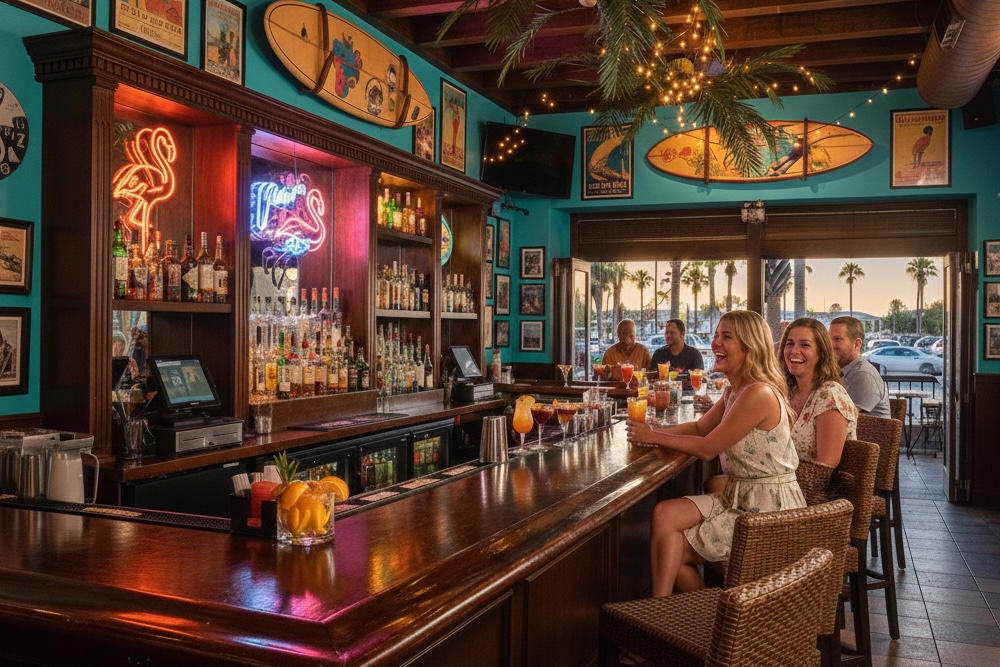
| Lounge | Warmth and “stay awhile” | A little richer and more expressive | Music that feels like a club set |
| Restaurant and breakfast | Comfort and conversation | Friendly, steady, and not lyrical | Vocal heavy tracks that fight conversations |
| Lobby bar | Social energy with control | Slightly more movement, still refined | Hyper beats that push guests to leave faster |
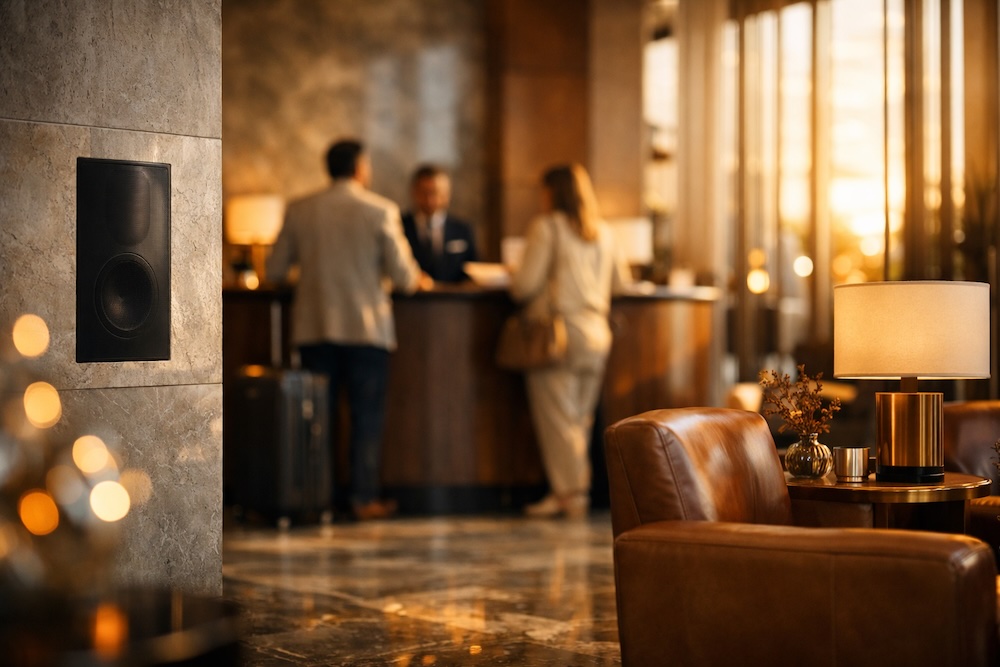
This is where hotel lobby background music really matters. The lobby sets the tone for the whole stay. If the lobby feels calm and premium, guests assume the rooms will match.
Why our music is royalty free, and why that matters to your business
We provide royalty free music for hotels and hospitality because most businesses do not want to think about licensing, ads, or content takedowns. They just want music that works, every day, in public spaces.
Royalty free does not mean “random tracks from the internet.” It means you have music made for commercial use, so you can play it in your lobby, lounge, restaurant, and hallways without the same risk that comes with consumer streaming accounts. It also means your soundtrack stays consistent. No surprise ads. No explicit lyrics. No sudden genre switches that make guests look up like something went wrong.
There is also a marketing angle here that hotel owners often miss. A consistent sound becomes part of your brand memory. Guests might forget the exact artwork in your hallway. They will remember how the place felt. Sound is part of that feeling.
When we talk about background music for hospitality venues, this is a big part of the value. You get a dependable soundtrack that supports guest psychology and protects your atmosphere.
Our two albums, built for real hotel moments
We made two albums because hotels and hospitality overlap, but they are not identical:
- Hotel Atmospheres is designed for the arrival and transition moments. Check in, elevators, corridors, and the quiet “in between” spaces where the mood can fall apart if the soundtrack gets weird.
- Hospitality Soundscapes is designed for social spaces. Lounges, cafés, lobby bars, and venues that want warmth without turning the room into a party.
Both albums are instrumental-focused and mood-first. That makes them work in Orlando, where a single property serves families, honeymooners, business travelers, and international guests in the same hour. It also makes them work anywhere, because the emotional goals of hospitality do not change by city.
The 12 tracks, and how we recommend using them
Below is the track plan we use when a hotel wants a soundtrack that feels intentional. The names are written to match usage, so your team can pick tracks without debating genres.
This is how we position background music for hotels so it does a job instead of just filling air. We are not trying to make guests notice the track. We are trying to make them notice the space in a good way.
If you want an easy starting point, play the first three tracks in the lobby during arrival hours. Then switch to Lounge Glow and Dining Comfort when your bar and restaurant pick up. Finish with Night Wind Down when the property quiets down.
What hotels usually get wrong with their music
Most mistakes come from good intentions. Someone picks a playlist they personally like. Someone turns it up to “make it feel lively.” Someone throws the same mix into the hallway speakers and calls it done.
The problem is that guest psychology is not personal taste. Lyrics pull attention away from conversation. Big chorus moments feel odd in elevators. Wild genre swings make a space feel disorganized. Even the best songs can be the wrong tool for the job.
Our albums are built to avoid that. The goal is consistency. Guests should feel like the property is calm and in control, even on busy days.
A simple way to test this in your property
Pick one zone first. We usually start with the lobby because it influences everything else. Run Hotel Atmospheres in the lobby for a week during daytime hours. Then run Hospitality Soundscapes in the evening when the space shifts toward social and lounge energy.
Keep volume steady. Ask your front desk team one question at the end of each day. Did guests feel calmer or more impatient today. You will get honest answers fast because staff can feel the room.
If you want us to map tracks to your exact zones, we can do that too. We built this music to be used, not just listened to.
Stream free from:
- Spotify: Hotel Atmospheres, Hospitality Soundscapes
- Apple Music: Hotel Atmospheres, Hospitality Soundscapes
- YouTube: Hotel Atmospheres, Hospitality Soundscapes